3D Interface: Enhancing Digital Experiences and Expanding Interactive Possibilities
3D interfaces transform digital experiences by offering realistic, immersive, and interactive visual environments...


3D Interface: Enhancing Digital Experiences and Expanding Interactive Possibilities
-
 10, Dec - 2025
Introduction
In the modern digital landscape, 3D interfaces have emerged as a powerful tool for enhancing user experience and delivering highly interactive visual content. From engineering applications to commercial presentations, 3D technologies offer deeper clarity, realistic visualization, and improved interaction. At Mosbeh Assaf Engineering Office, we embrace advanced digital tools to help clients visualize their projects with precision and confidence.
What Is a 3D Interface?
A 3D interface is a visual environment that displays elements in three dimensions, offering depth, realism, and multi-angle interaction. Unlike traditional 2D displays, 3D interfaces allow users to explore models and digital components from various perspectives, resulting in a more engaging and informative experience.
Benefits of 3D Interfaces
1. Enhanced User Experience
3D visuals create an immersive environment that encourages intuitive interaction and improves content engagement.
2. Improved Engineering Visualization
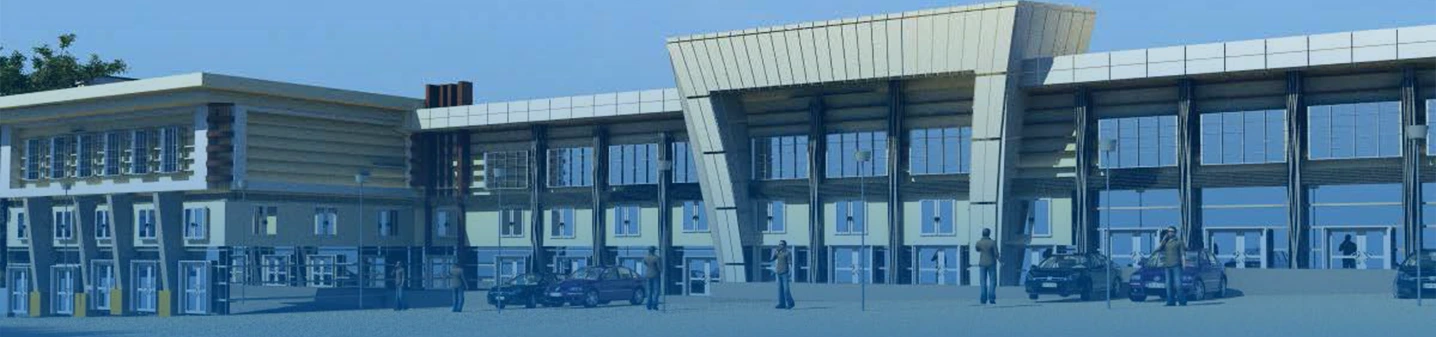
Architects and engineers benefit from 3D models that simplify complex designs and allow clients to preview projects before execution.
3. Increased Interactivity
3D interfaces provide dynamic interaction, making presentations more engaging and effective.
4. Expanded Creative Possibilities
Designers can produce highly detailed and visually rich environments, elevating the quality of digital content.
5. Advanced Marketing Capabilities
Businesses can utilize 3D product displays to attract customers and elevate the digital shopping or presentation experience.
Practical Applications
-
Video Games: Essential for realistic environments.
-
Engineering & Architecture: Used for 3D modeling, simulation, and visualization.
-
VR/AR Technologies: Create immersive training and simulation environments.
-
Marketing & Product Demos: Present products with enhanced realism.
-
Education & Training: Simplify complex concepts using interactive models.
Challenges and Opportunities
Although 3D technology requires higher processing power and may involve higher development costs, the advantages it offers make it a valuable investment for engineering firms and digital service providers.
Conclusion
3D interfaces are reshaping the future of digital interaction. Their ability to improve visualization, enhance understanding, and elevate user engagement makes them an essential tool in engineering and commercial applications. At Mosbeh Assaf Engineering Office, we leverage these technologies to deliver superior visualization and communication for our clients’ projects.